Zero-Downtime Dynamic Configuration Updates for Spring Boot in Microservice Architecture
Recently, I was exploring the Spring Boot Config Server from the Spring Boot Cloud ecosystem, and I finally have a vision of how it works in Spring Boot and why dynamic configuration updates can be useful for companies. How does it work? 1. The developer updates the file orders-prod.yml in the centralized config repository. 2. […]
Technologies

Recently, I was exploring the Spring Boot Config Server from the Spring Boot Cloud ecosystem, and I finally have a vision of how it works in Spring Boot and why dynamic configuration updates can be useful for companies.
How does it work?
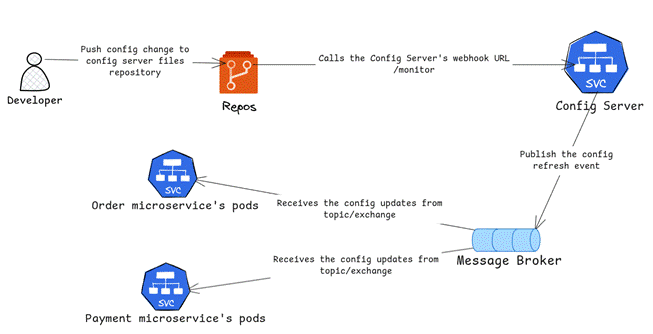
1. The developer updates the file orders-prod.yml in the centralized config repository.
2. Git repository automatically detects the push event and calls the Config Server’s webhook endpoint “/monitor”.
3. Config Server receives the webhook request, pulls the latest versions of the files from the centralized Git repository, and publishes them to the Message Broker’s refresh topic or exchange.
4. Message Broker receives the event and broadcasts it to all the Config Clients that previously subscribed to this topic or exchange.
5. Each Microservice (Config Client) receives the event, and on the new method call, it makes a Zero-Downtime update to the old version configuration bean with the new one.
Configuration dynamic update flow for Spring Boot microservices
Why would a company need it?
Benefits
For businesses running critical systems, the operational downtime can result in financial losses. Changing the application properties can take 5-10 minutes because it requires the full delivery cycle.
Dynamic configuration updates allow applying the configuration updates from 10 minutes to 10 seconds with Zero-Downtime for the system. This helps build a system that ensures continuous availability even for these minor changes.
Downside
When adopting this approach, we need to add new dependencies, and it also requires the Message Broker’s availability and readiness to consume and publish the change events.
The developer must identify which properties should be considered for dynamic refresh and which require a restarting microservice.
At Swan Software Solutions, we work to create reliable, scalable, and affordable solutions. If your company needs AI, QA, or other technology services, find out how we can help. Visit swansoftwaresolutions.com.